
SPP -Small Power Producer in Nepal
In Nepal, Small Power Producers (SPPs) have emerged as a key player in the renewable energy sector, similar to Independent Power Producers (IPPs). The SPP model specifically targets smaller-scale power producers, such as those involved in micro and mini hydropower projects. With the increasing demand for decentralized, renewable energy solutions, SPPs provide a great opportunity for developers to contribute to Nepal’s energy needs while also benefiting from favorable government policies.
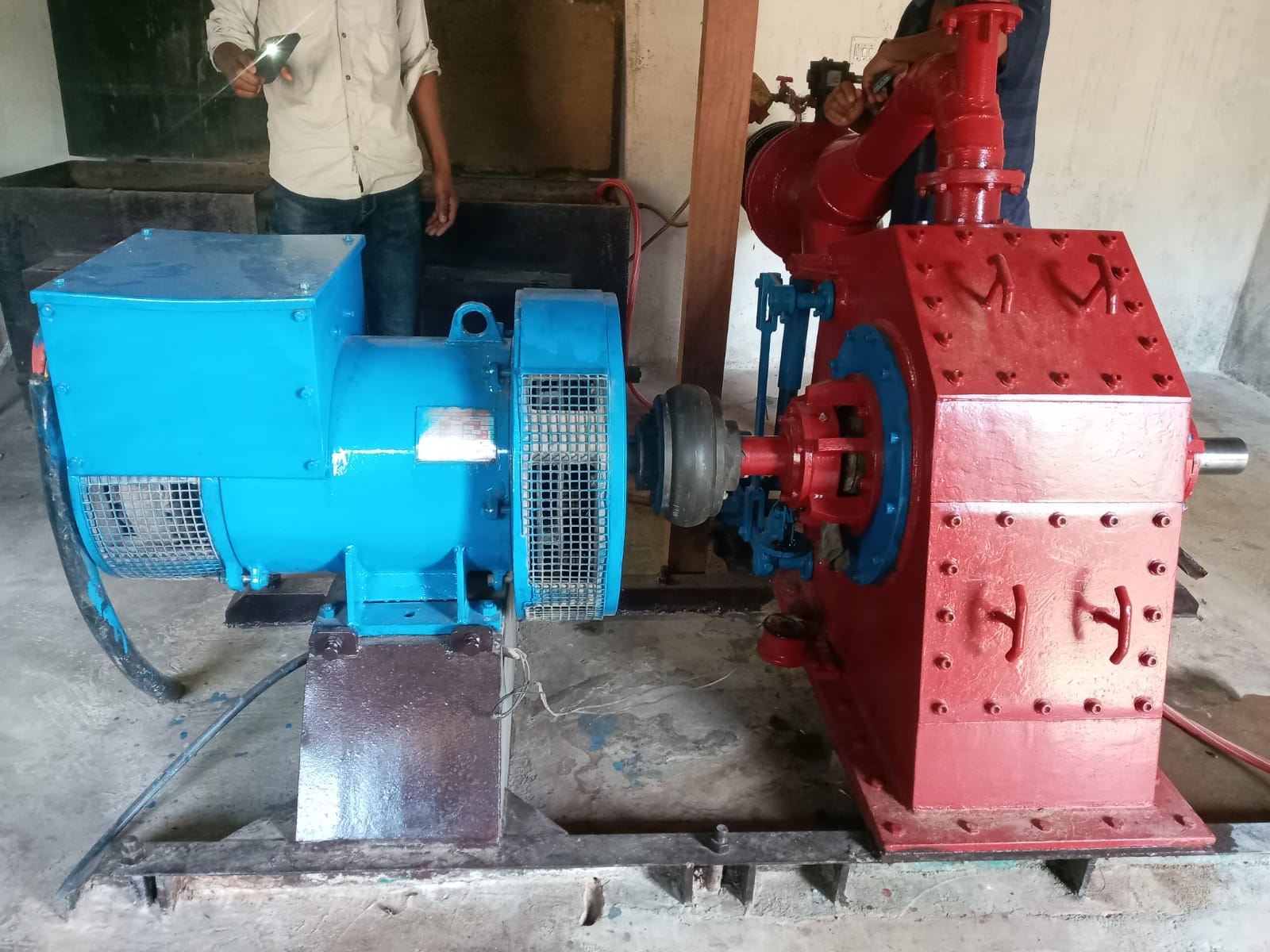
As Nepal transitions towards a sustainable energy future, Small Power Producers (SPP) in the micro and mini hydropower sector, particularly projects below 998 kW, are playing a crucial role in national grid integration. These projects contribute not only to energy security but also to local employment, sustainable resource utilization, and decentralized energy generation.
Micro Hydro Grid Connection: A Viable Option for SPP
Micro Hydropower Grid Connection: A National-Level Perspective
Nepal’s power sector is undergoing a transformation, with an increasing focus on grid-connected micro and mini hydropower plants. While traditionally these projects operated in isolated local grids, grid integration has now become a key factor in ensuring efficient energy distribution, reduced wastage, and increased stability in the national grid. The integration of small-scale hydropower projects significantly enhances Nepal’s overall renewable energy capacity, helping to meet growing demand and minimize reliance on imported energy sources.
Sustainability and Optimal Use of Local Resources
Micro and mini hydropower projects are a sustainable energy solution as they harness Nepal’s abundant hydrological resources without causing significant environmental harm. These projects utilize local rivers and streams, ensuring that clean, renewable energy is generated without dependency on fossil fuels. Additionally, sustainable hydropower generation contributes to climate change mitigation and reduces carbon emissions, making it an essential part of Nepal’s commitment to green energy development.
Boosting Local Employment and Economic Growth
One of the most significant advantages of SPP-driven micro and mini hydropower projects is the creation of local employment opportunities. From construction and maintenance to operation and technical support, these projects provide jobs to skilled and unskilled workers within the region.
Job Creation: Local technicians, engineers, and workers benefit from employment in hydropower development.
Skill Development: Hydropower projects contribute to knowledge transfer and skill enhancement for rural communities.
Economic Upliftment: Reliable electricity enables local businesses, cottage industries, and agricultural processing units to flourish, fostering overall economic growth.
Enhancing Rural Electrification and Energy Access
Micro and mini hydropower projects provide reliable and uninterrupted electricity to remote and rural areas where national grid expansion is often challenging. With improved grid connectivity, these communities can enjoy better healthcare, education, and commercial opportunities.
Additionally, excess power generated by small hydropower plants can now be exported to the national grid, ensuring that no energy goes to waste and contributing to a more resilient and decentralized energy network.
Runhydro’s Contribution to SPP-Based Grid Integration
Runhydro Engineers Pvt Ltd has been at the forefront of supporting micro and mini hydropower projects in achieving successful grid integration. With the DLCS V1.0 grid synchronizing panel, Runhydro has facilitated seamless synchronization, protection, and efficiency optimization for small-scale hydropower plants. By utilizing advanced controllers like DEIF GPC-3 Hydro and DLC by Renerconsys, Runhydro ensures that micro and mini hydro projects comply with Nepal Electricity Authority (NEA) standards and contribute effectively to the national grid.
The Future of SPP in Nepal’s Energy Landscape
The role of Small Power Producers (SPP) in micro and mini hydropower is more critical than ever. As Nepal seeks to expand its renewable energy sector, policy support, investment incentives, and technological advancements will be key to unlocking the full potential of small-scale hydropower projects.
With continued efforts from stakeholders like Runhydro Engineers Pvt Ltd, Nepal is set to achieve a more sustainable, decentralized, and economically beneficial energy future powered by micro and mini hydropower.
Stay connected for more updates on how small-scale hydropower is shaping Nepal’s energy landscape!

Add comment